
Case Study: 7× Revenue Growth for a New-to-Market E-Commerce Brand

parts

Project Overview

  • Client Type: Mid-sized e-commerce retailer in a competitive parts and accessories niche

  • Platform: WordPress-based CMS

  • Business Context: Brand entering a new geographic market with limited organic visibility

  • Primary SEO Objective: Improve category-level visibility and generate qualified organic revenue

SEO Approach

Site Architecture & Technical Optimization
Focused on improving category and subcategory structures to support scalable growth. This included refining URLs, resolving duplication issues, and strengthening internal hierarchies to ensure search engines could properly interpret page intent and relevance.

Category-Level Content Optimization
Enhanced priority category pages with keyword-aligned, user-focused content. Efforts were concentrated on revenue-driving sections of the site to accelerate measurable performance gains.

Screenshot 2026 01 12 123816
Screenshot 2026 01 12 124131

Results

  • Organic Revenue Growth:
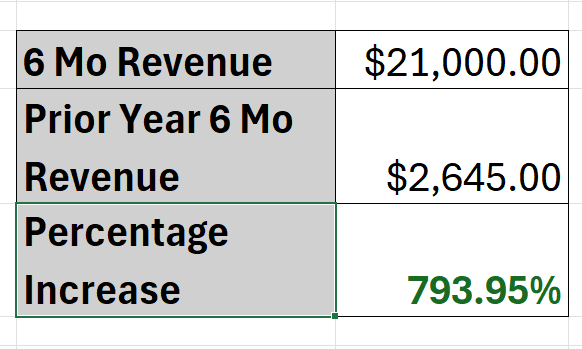
    Increased by nearly 8× over a six-month period from organic search
  • Organic Conversion Performance:
    Conversion rate from organic traffic improved by over 600%, despite an overall reduction in session volume
  • Search Visibility Insight:
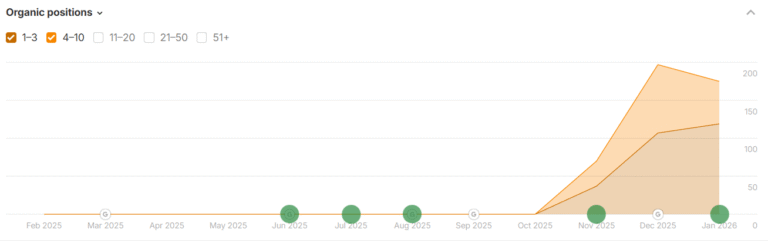
    Minimal growth in top-10 keyword rankings reinforced that technical structure and intent-driven content, not volume-based keyword chasing, were the primary revenue drivers
  •  

Key Factors for Success

level above any other team
  • Category Content Enhancements
    Strategic expansion of category content allowed the site to align more closely with high-intent search behavior.
  • Improved Crawl & Indexation Efficiency
    Structural refinements helped search engines better understand page relationships, relevance, and hierarchy within the site.
  •  

Challenges & Solutions

Legacy Structural Limitations
Multiple category and subcategory pages shared identical metadata and on-page content, creating internal competition and relevance confusion for search engines.

Solution Implemented
Worked alongside development resources to establish:

  • Unique page-level metadata and headings

  • Clear breadcrumb hierarchies

  • Targeted content differentiation by category

Redirects were implemented to preserve any existing authority and avoid traffic loss during restructuring.

Forward-Looking Recommendations

  • Ongoing Category Content Expansion
    Continue strengthening category and subcategory pages to capture additional long-tail and commercial-intent queries.

  • Authority Building
    Support organic growth through outreach and link acquisition to improve brand trust and domain strength.

  • Search Intent Alignment
    Develop dedicated pages for high-intent search patterns rather than relying on filtered or dynamically generated URLs.

a speedometer that says speeding toward a bright future

Our Blog

SEO Tips

Digital marketing tips that can help your business right now!

Review Velocity Importance in Online Reputation Management and Ranking
Local SEO

Reputation as Ranking Fuel: Why Review Velocity Trumps a Perfect 5-Star Average

If you’re managing a local business, you know the pressure of online reviews. You check your phone daily, hoping that...

SEO vs Social Media Marketing: Which is Better?
Digital Marketing SEO

Which is Better: SEO or Social Media Marketing?

As a business owner or marketing manager, you’re constantly asked to choose between Search Engine Optimization (SEO) and Social Media...

Is AI or Manual Keyword Research Better for SEO?
AI SEO

AI vs. Manual Keyword Research: Which One Wins for SEO?

Keyword research is the foundation of every successful SEO strategy. But should you trust AI to handle the job? While...

GET IN TOUCH

Don't Hesitate To Contact Us

Contact us for a free 30 minute consultation

Name
Monthly SEO Budget
Subscribe me to your newsletter